Pretox preparation detox cleanse
Properly preparing a soup cure or detox cleanse of 3, 5 or 7 days can greatly affect its effectiveness. Especially with the three-day detox, proper preparation is important. Not only will your detox then be more effective, but you are also likely to experience fewer side effects. Preparation is not mandatory, but we do recommend it.
Preparation and the Pretox
At least three days before your detox begins, try to taper off certain foods. Start slowly by reducing from three to two cups of coffee a day, for example, and build off more and more. Cutting down on coffee can be tricky, especially if you have to do it at the same time as your detox. So make sure you don’t quit cold-turkey. The same goes for animal protein, white bread, white rice, products with sugar and dairy products: build off these slowly. At the same time, try to drink more and more water and herbal teas. You can also get detox symptoms, such as headaches and low energy levels, from phasing out.
The detox roadmap
Remove solid and heavy foods from your diet step by step. Start this preferably three days prior to your cleanse.
3 DAYS BEFORE
No red meat and dairy products such as cheese, yogurt, cottage cheese and processed foods.
2 DAYS BEFORE
No meat and seafood (chicken, turkey, fish, shellfish), no eggs, no dairy, no carbohydrates from bread, rice and sugars.
1 DAY BEFORE
Eat only salads, soup, (raw) vegetables, fruits and nuts.
*Do not consume alcohol, coffee, medications, dietary supplements and cigarettes no later than three days before your detox begins.
Detox tips to prepare properly
- Try to buy all your food organic. You get a lot more nutrients, vitamins, minerals and trace elements, and you avoid absorbing little to no pesticides and foreign bodies.
- You may eat or drink unlimited raw or cooked vegetables
- If you have a lot of pulls, at the pretox, detox and aftertox in between you can just eat healthy snacks and snacks tailored to our recommendations.
- We advise against white rice, bread, pasta or other white flour products. Preferably limit your intake of starch products. Replace it with whole grain rice, gluten-free bread, sourdough, sprouted bread and sweet potatoes, parsnips, purple potatoes, beets and tubers.
- We recommend avoiding refined sugars and not consuming too many natural sugars from fruits and raw honey. Avoid all sugars, including alternative sweeteners such as raw cane sugar, invert sugar syrup, glucose, dextrose, molasses, caramel, fructose, corn syrup, date syrup, rice syrup, agave syrup, maple syrup, etc. Sugar is also in ginger syrup, lots of ready-made sauces, bread and everything you can almost think of. It is also in fruit but don’t take more than 1 to 3 pieces of fruit a day. It is better to take fruit with some less natural sugars like blackberries, blue and red berries, raspberries, strawberries, cherries etc. On the other hand, sweet fruits like mango, banana and pineapple contain a lot of sugars and you should eat them in moderation.
- Avoid e-numbers as much as possible. Ingredients you can’t pronounce or sound too scientific don’t put that in your body, you are what you eat. Nutrition is supposed to be simple.
- Avoid chemical sweeteners such as aspartame, sucralose, saccharin, cyclamate, acesulfame-k, etc., especially found in “light” and sugar-free products. Always read the labels!
- Vary as much as possible so not 1 broccoli every day but a different type of vegetable, fruit, nuts, seeds, beans, grains every day so that your body gets enough nutrients on a variety of levels
- Use to your heart’s content the healthy saturated fats of extra virgin vegetable coconut fat, palm fat, olive oil, flaxseed oil, hemp seed oil and of animal origin cream butter, suet, lard. These should be, organic, cold-pressed and unrefined.
- Avoid margarine and low-fat margarine.
- Avoid trans fats.
- Use an average of 1 teaspoon of salt per day. Avoid standard (jozo) table salt and replace it with sea, Celtic or Himalayan salt
- During preparation preferably do not drink coffee or alcohol.
- Green, white tea and various herbal teas are not a problem.
- Drink purified (spring) water. As long as your pee is a light translucent color.
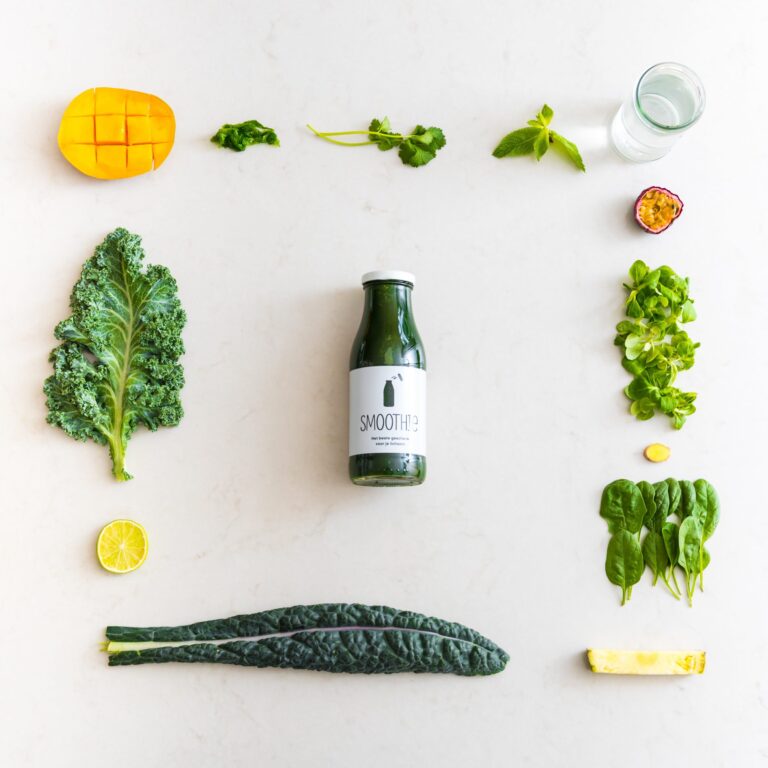
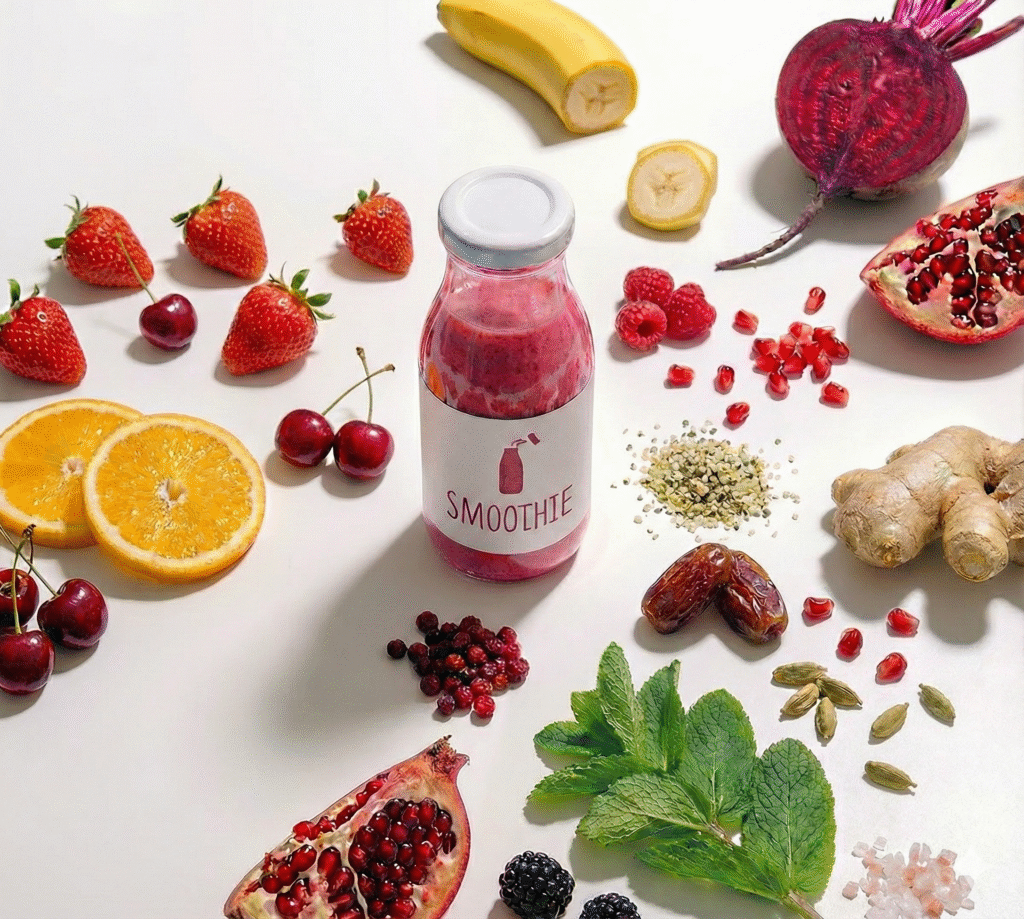
- If you have a slow juicer or blender you can drink a few green juices or smoothies a day according to your needs. Rule of thumb use 70% vegetables or more and 30% fruits, herbs, spices and superfoods.
How do I properly prepare for a detox?
The same goes for animal protein, (white) bread, white rice, products containing sugar and dairy products: build it down slowly. At the same time, try to drink more and more water and herbal teas. You can already get detox symptoms, such as headaches and low energy levels, from cutting down. We call phasing out eating or drinking these products a “pretox.
What exactly does a pretox entail?
What foods should I avoid before starting a detox?
We list some tips for you to follow before starting a detox.
– If you are very hungry, at the pretox, detox and aftertox in between you can just eat healthy snacks and bites tailored to our advice.
– We advise against white rice, bread, pasta or other white flour products. Preferably limit your intake of starch products. Replace it with whole grain rice, gluten-free bread, sourdough, sprouted bread and sweet potatoes, parsnips, purple potatoes, beets and tubers.
– We recommend avoiding refined sugars and not consuming too many natural sugars from fruits and raw honey. Ideally, avoid all sugars, including alternative sweeteners such as raw cane sugar, invert sugar syrup, glucose, dextrose, molasses, caramel, fructose, corn syrup, date syrup, rice syrup, agave syrup and maple syrup. Sugar is also in ginger syrup, lots of ready-made sauces, bread and lots of other products.
It is also found in fruit but do not take more than 1 to 3 pieces of fruit per day. It is better to take fruits with some less natural sugars such as blackberries, blue and red berries, raspberries, strawberries and cherries. Sweet fruits such as mango, banana and pineapple contain a lot of sugars. We recommend eating these in moderation.
– Avoid as many E-numbers as possible. Ingredients that you can’t pronounce or sound too scientific: avoid these as much as possible in your diet.
– Avoid chemical sweeteners such as aspartame, sucralose, saccharin, cyclamate and acesulfame-k. These substances are mostly found in “light” and sugar-free products.
– Vary your food as much as possible. Don’t eat 1 broccoli every day but a different type of vegetable, fruit, nuts, seeds, beans and grains every day. This way your body gets enough nutrients on many levels.
– Use to your heart’s content the healthy saturated fats of extra virgin vegetable coconut fat, palm fat, olive oil, flaxseed oil, hemp seed oil and of animal origin cream butter, suet and lard. These should be, organic, cold-pressed and unrefined.
– Avoid margarine and low-fat margarine.
– Avoid trans fats.
– Use an average of 1 teaspoon of salt per day. Avoid standard (jozo) table salt and replace it with sea, Celtic or Himalayan salt.
– Do not drink coffee or alcohol (as much as possible).
– Drink more green, white and herbal teas.
– Drink purified (spring) water.
– If you have a slow juicer or blender, you can drink a few green juices or smoothies a day according to your needs. Rule of thumb use 70% vegetables or more and 30% fruits, herbs, spices and superfoods.
How many days in advance should I start the pretox?
– 3 days in advance. Do not eat red meat and dairy products such as cheese, yogurt, cottage cheese and processed foods.
– 2 days in advance. Do not eat meat and fish products (chicken, turkey, fish, shellfish), eggs, dairy, carbohydrates from bread, rice and sugars.
– 1 day in advance. Eat only salads, soup, (raw) vegetables, fruits and nuts.
Do not consume alcohol, coffee, medications, dietary supplements and cigarettes no later than three days before your detox begins.