









How can you use turmeric?
Turmeric has a long history and many different uses. Especially in Asia, the orange roots of turmeric have been used for centuries as part of a healthy lifestyle. Read on and find out what you can do with turmeric!
What is turmeric?
Turmeric is made from the roots of Curcuma longa, a plant in the Zingiberaceae family, which also includes ginger. Turmeric root is very similar to ginger root, familiar from our Ginger Shot, but is often slightly smaller than ginger and orange rather than yellow inside. Traditionally, turmeric root is first boiled or steamed before use. You also often encounter turmeric in powder form, in which case it is dried and ground. The taste of dried and ground turmeric is a bit bitter yet also sweet, with a warming effect. Thanks to the compound curcumin, turmeric powder is bright yellow; much more yellow than ground ginger.
Where does turmeric come from?
The natural origin of the Curcuma longa plant is in the tropical regions of South Asia. There are more than 130 known species of turmeric. In general, this plant needs warm temperatures, between 20 and 30 degrees Celsius, and good amounts of rain. Turmeric plants can grow about one meter tall. They have oblong leaves, but mainly the roots are used for consumption and other uses. Turmeric is associated above all with India, where people have used this spice for many centuries. Vedic texts nearly 4,000 years old already describe various uses of turmeric as an important spice in dishes. People also used turmeric as part of religious rituals and as part of an Ayurvedic lifestyle. Later, the use of turmeric spread throughout the rest of the world. Today, India is still the largest producer and consumer of turmeric. Almost all turmeric used worldwide comes from India.
What other names does turmeric have?
The name ‘turmeric’ comes from Sanskrit and is still used in many countries, including the Netherlands. However, we also use the name “turmeric,” and in supermarkets you will also come across turmeric in packages with the names “turmeric” and “turmeric,” which are derived from the Indonesian names. More information about turmeric in English can be found if you search for ‘turmeric’.
What is curcumin?
Turmeric contains several curcuminoids; dyes that make turmeric so yellow. Turmeric powder generally consists of just over 3% curcumin.
How are turmeric and curcumin used?
Curcumin as a dye
Curcumin is a very strong dye. It is widely used to color other foods, including butter and cheese, as well as desserts, cakes and sauces. You almost always find turmeric in curries, and in dishes with yellow rice. As a food additive, you can recognize curcumin under the E number E100. Soap and other cosmetics can also be colored with curcumin. You can recognize curcumin on a label under the INCI code CI75300. This dye is also used to dye fabrics. So watch your clothes when working with turmeric. The stains it makes in fabric you can hardly get out, if at all.
How to use turmeric in dishes
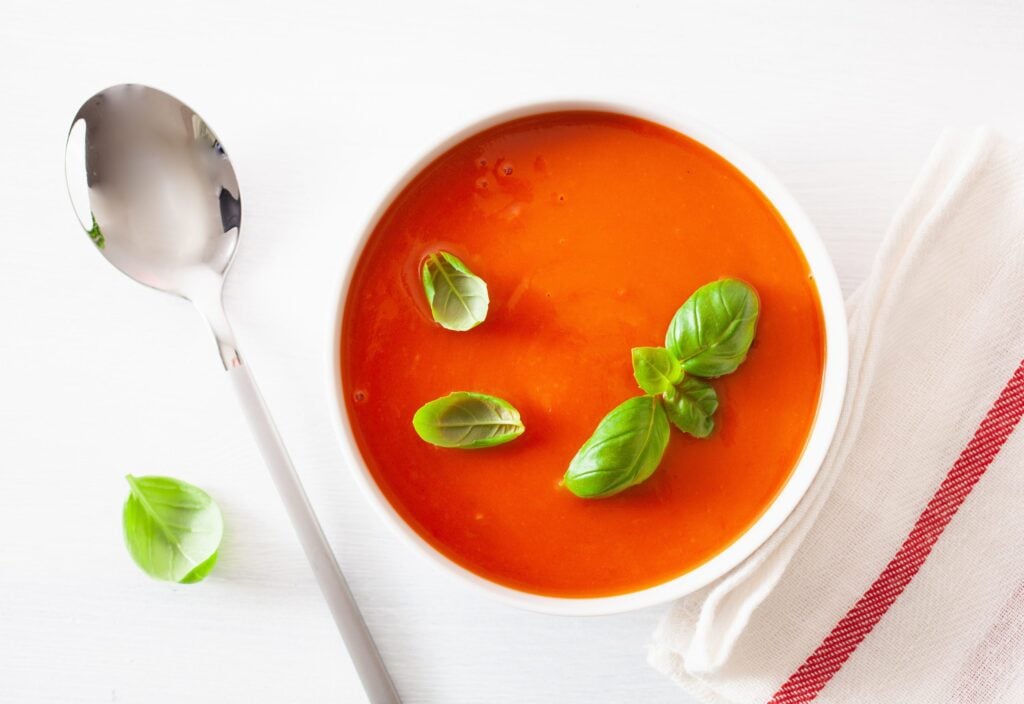
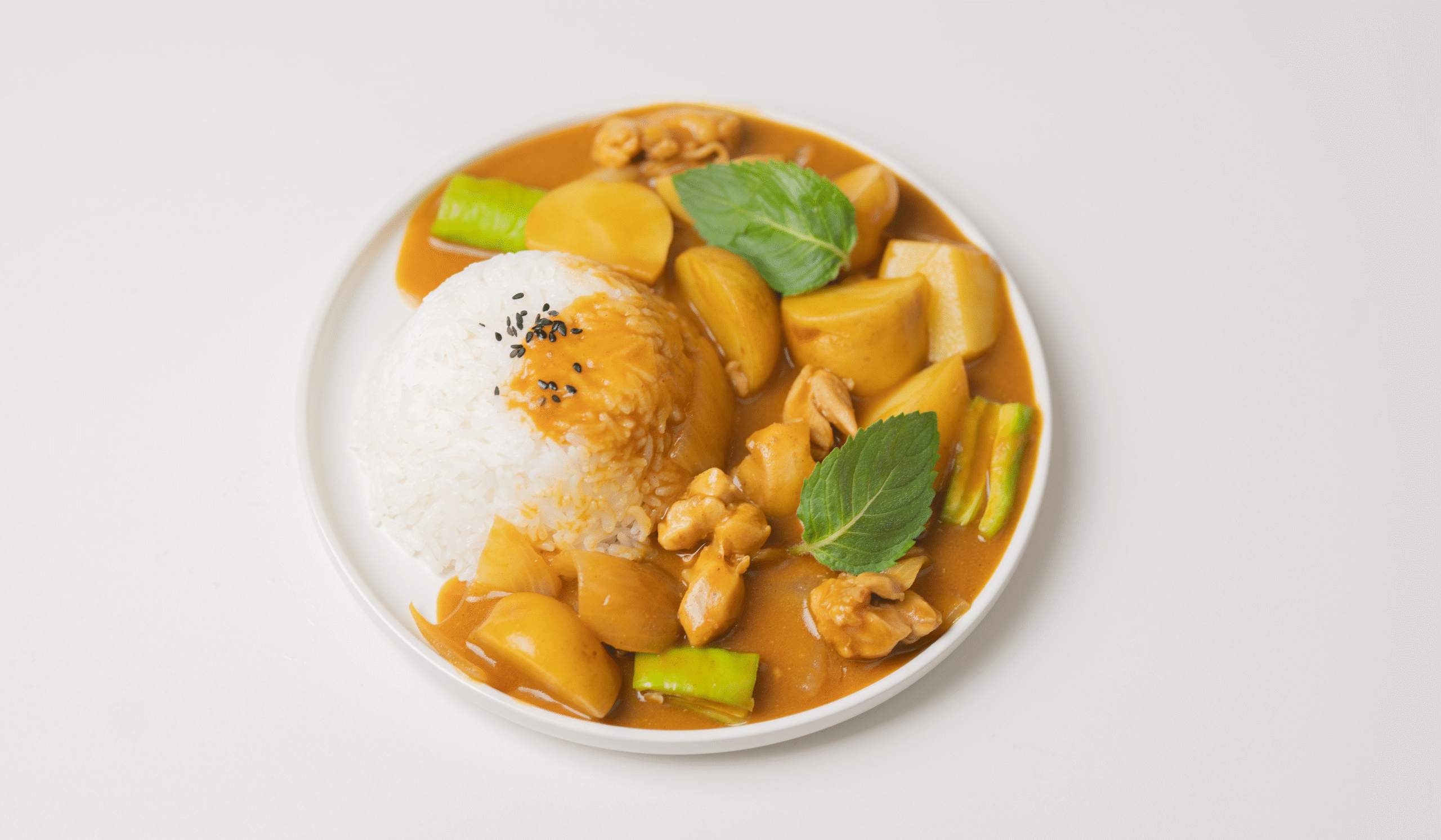
Turmeric is a very versatile ingredient for the tastiest dishes. For example, this warming spice shines in Asian dishes, such as this green curry masala with bottle pumpkin, or this sparkling chutney with apple and mango. Also try this delicious Moroccan harira! For lovers of nutritious and healthy soups, this spicy parsnip soup with turmeric is highly recommended. Golden milk or Turmeric Latte has been a popular drink among turmeric lovers in recent years. You make this comforting and healthy latte with warm, (vegetable) milk and turmeric, ginger and other warming spices. A great alternative to tea, coffee or hot chocolate!
How much turmeric can you eat per day?
No reference intake has been established for turmeric to date. If you use it as a kitchen herb, you will not easily eat too much turmeric, but do not overdo it. If you use turmeric as a supplement, stick to the prescribed dosage and if in doubt, consult your doctor; for example, if you are taking medication or suffering from health conditions. The use of turmeric is not recommended for children and women who are pregnant, as its safety for them has not been established with certainty. If you are considering taking supplements containing curcumin, keep in mind WHO (World Health Organization) guidelines. These recommend a daily intake of up to 3mg of curcuminoids per kilogram of body weight.
Try a turmeric juice
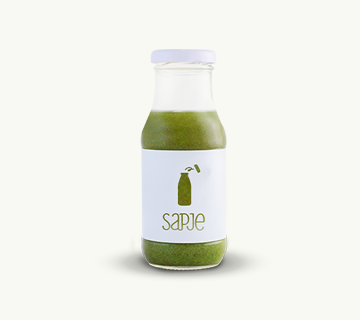
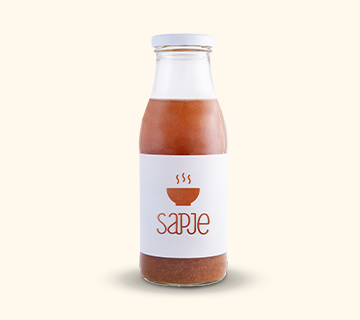
At Sapje, we also like to use turmeric. It is the main ingredient in our Kick juice, which also contains black pepper and lemon, among other ingredients. Its intense flavor is a fresh start to your day. Moreover, it is rich in vitamin C. Turmeric can also be found in the juices
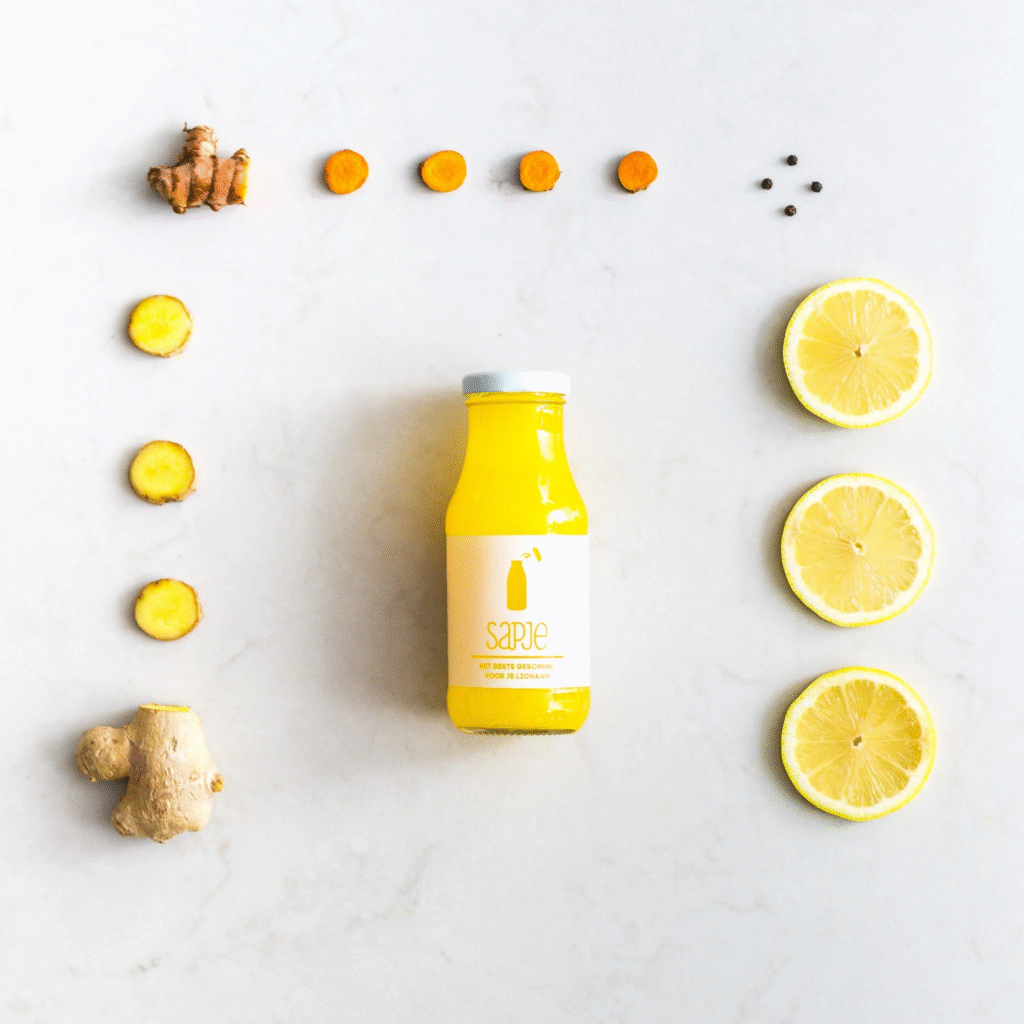
All our juices, soups, detox cures, shots and smoothies are made with the best organic ingredients and without unnatural additives such as sugar and preservatives. Because we freeze them immediately after preparation in the shock freezer, the color, smell, taste and nutrients are preserved naturally. So also discover our ginger shots. Order them online and experience it for yourself!
Resources
1. National Library of Medicine, Herbal Medicine: Biomolecular and Clinical Aspects. 2nd edition.
2. National Library of Medicine, Multitargeting by turmeric, the golden spice: From kitchen to clinic.
3. National Library of Medicine, Biological activities of curcuminoids, other biomolecules from turmeric and their derivatives – A review.
4. BBC Good Food